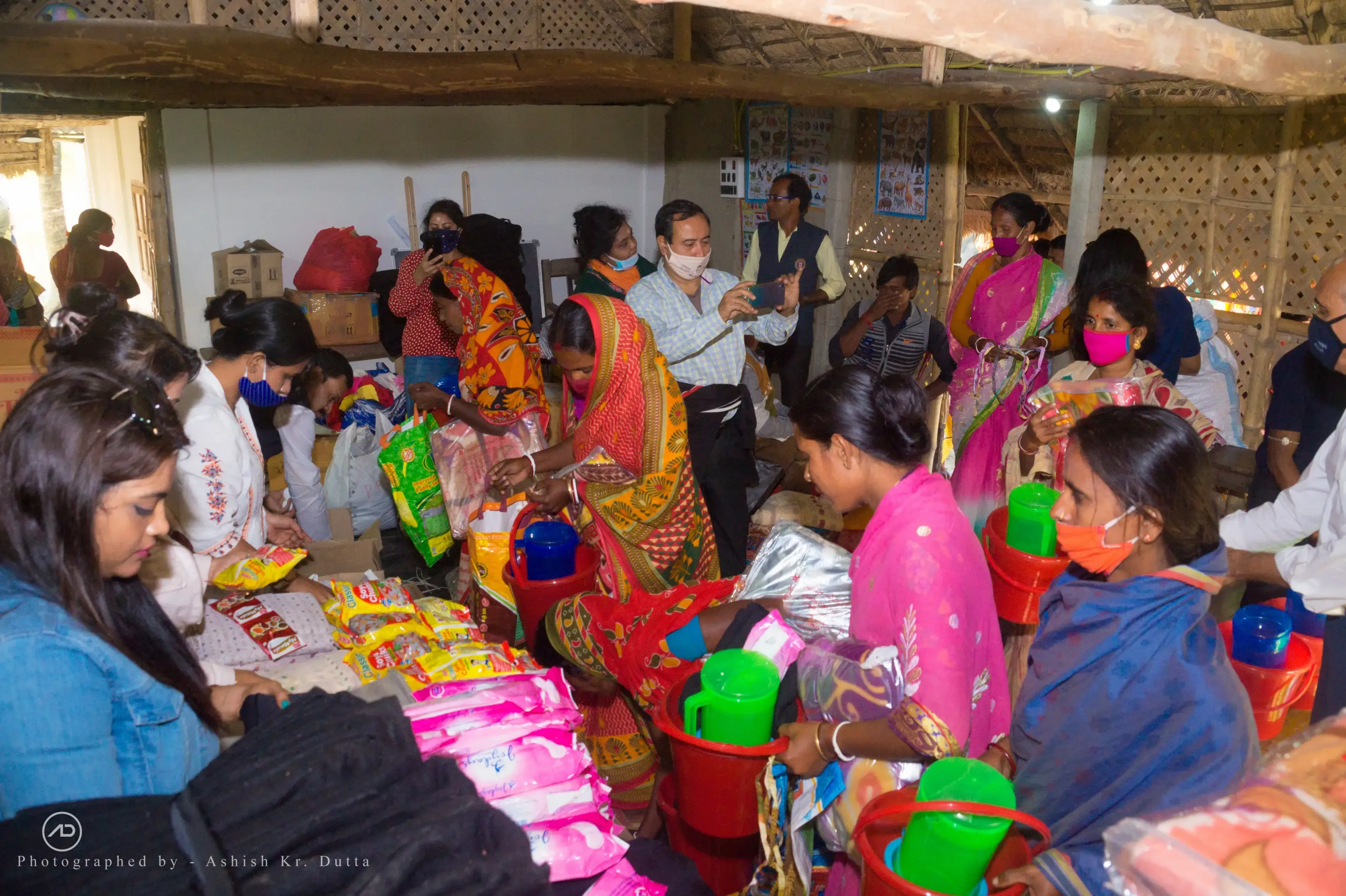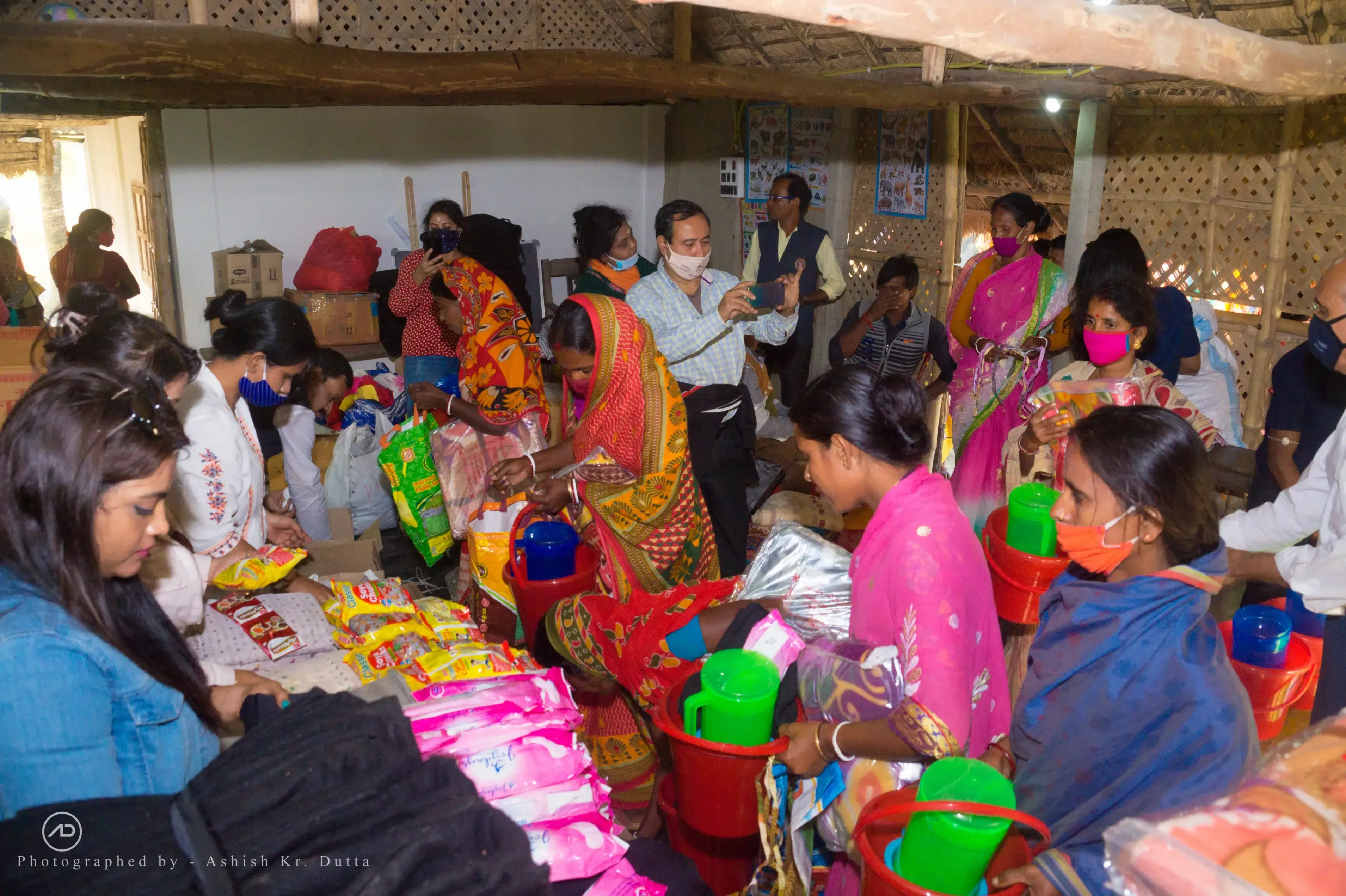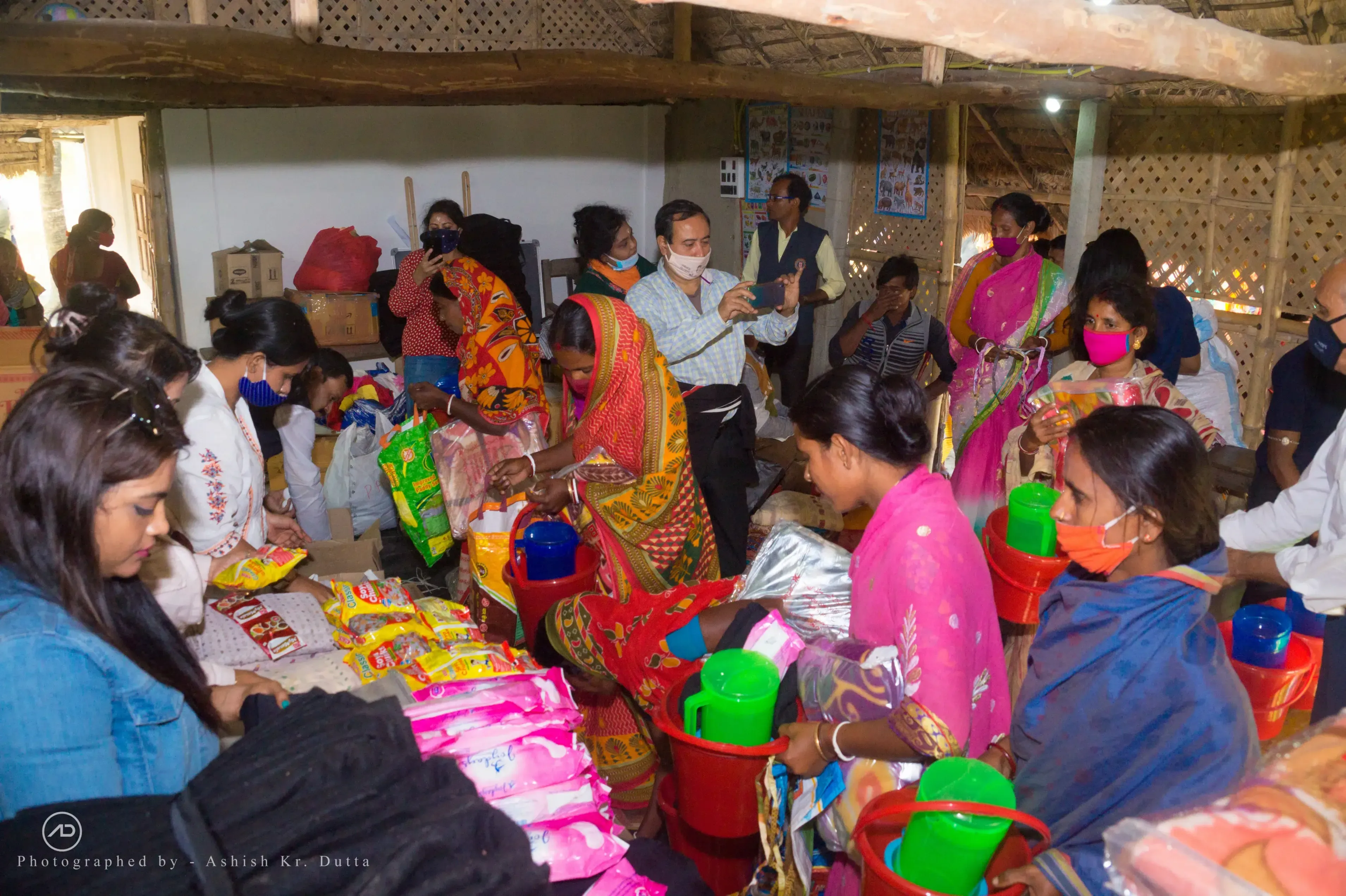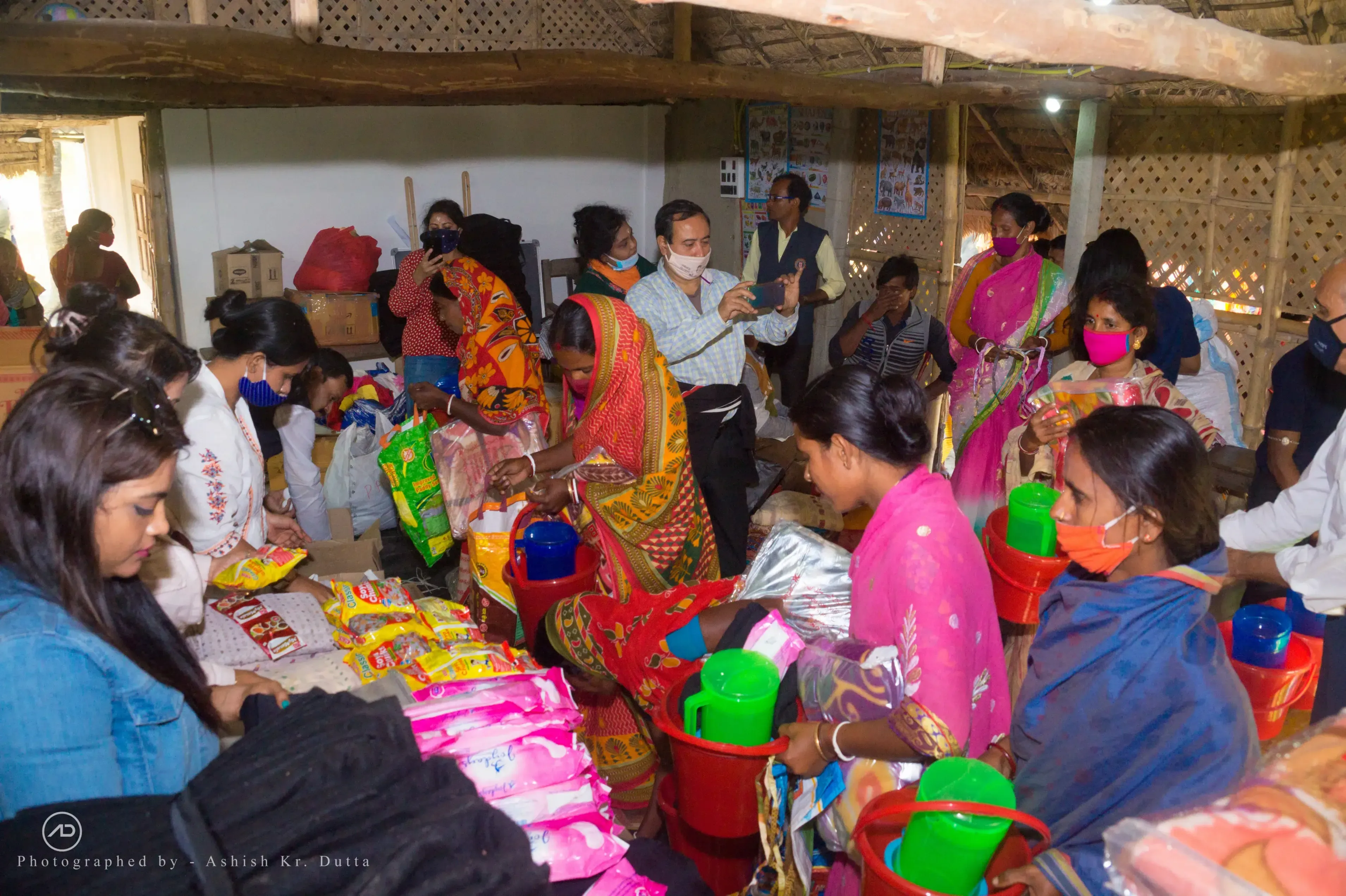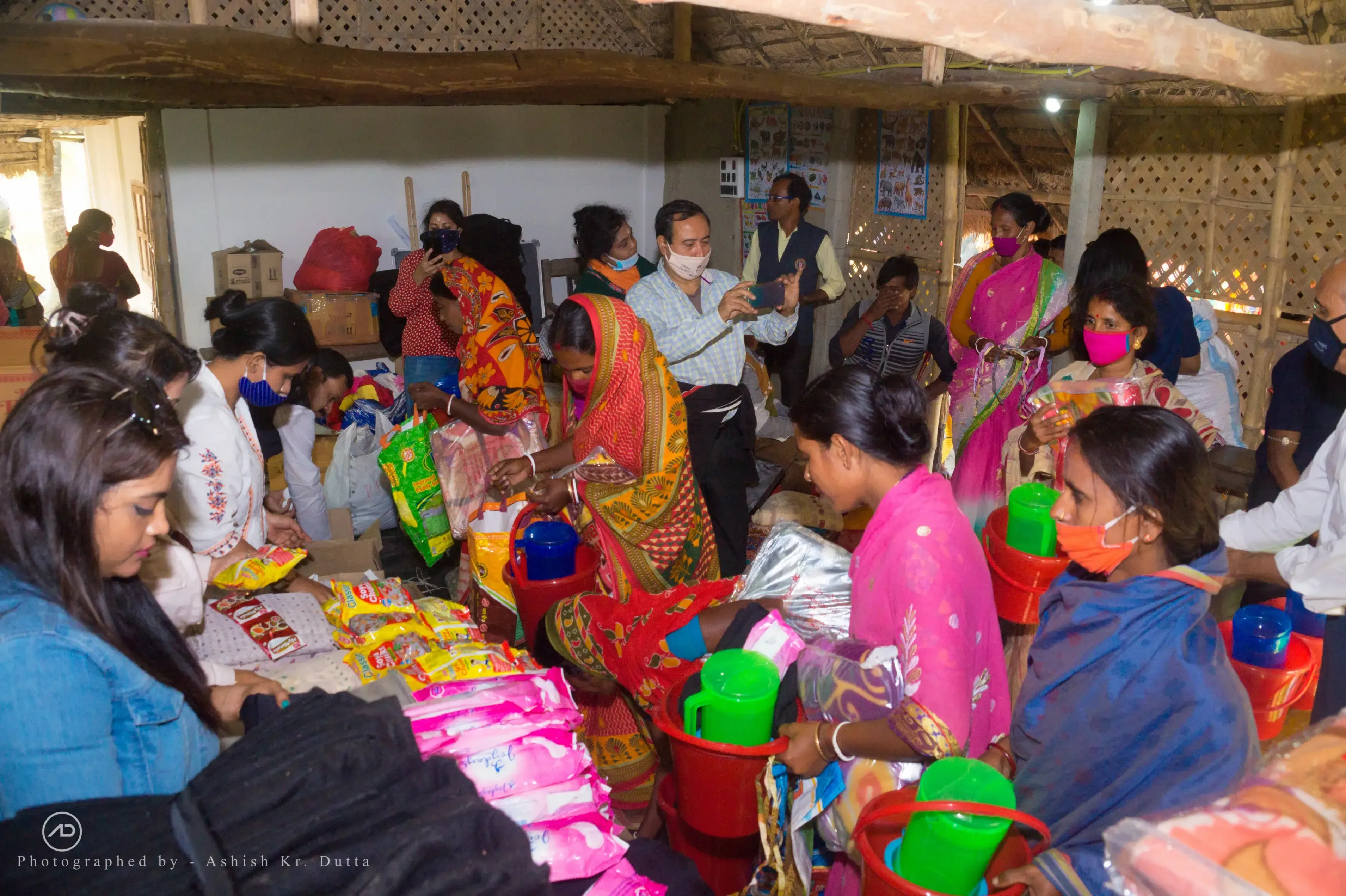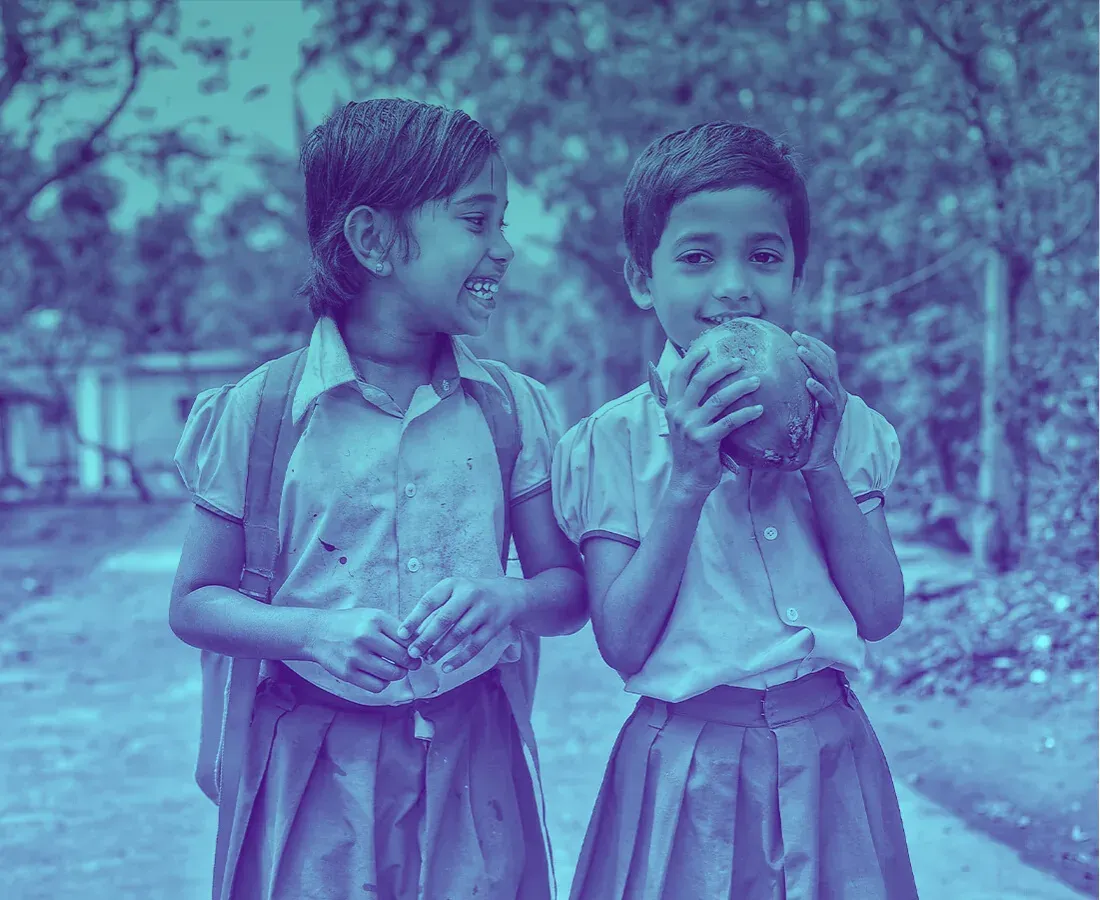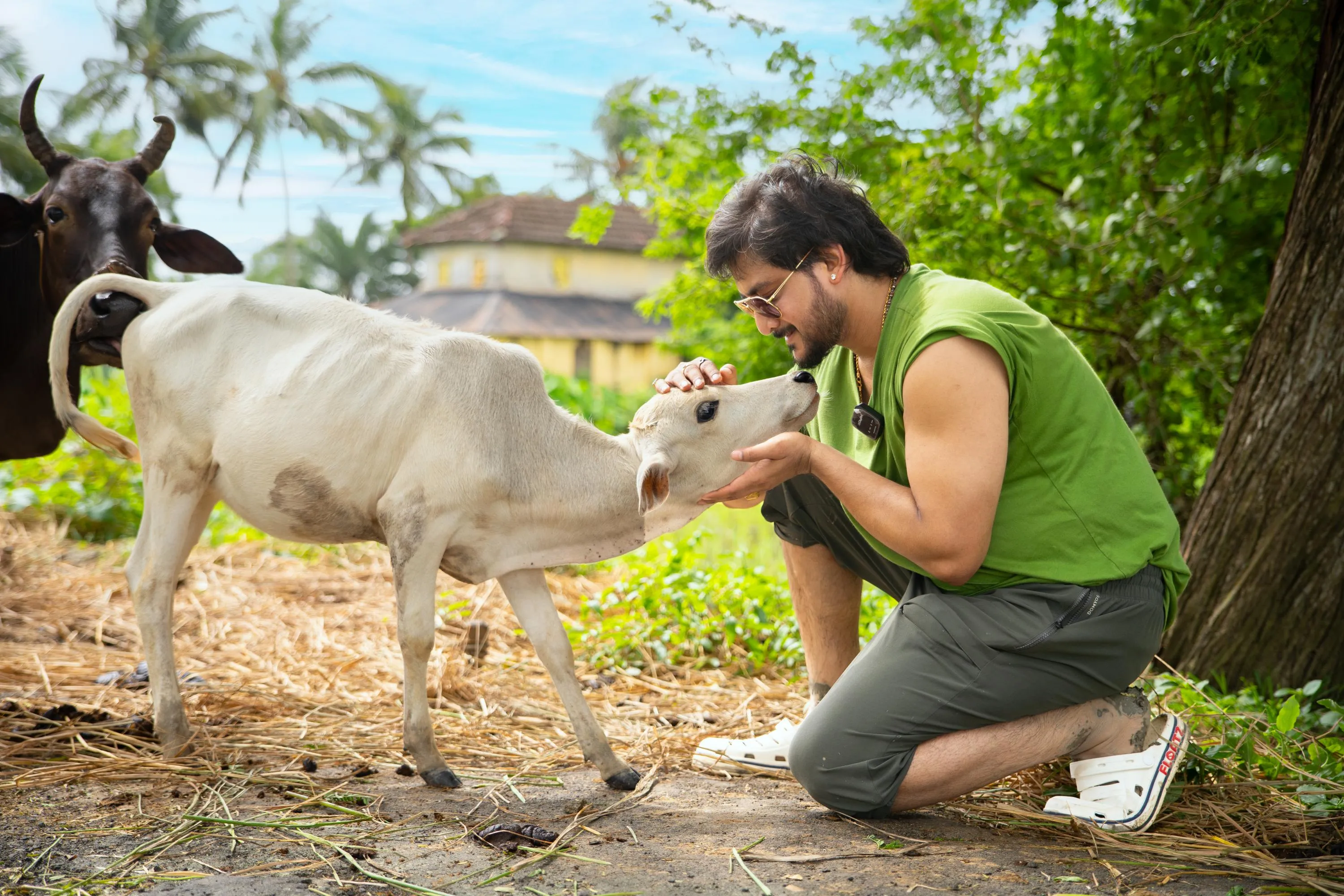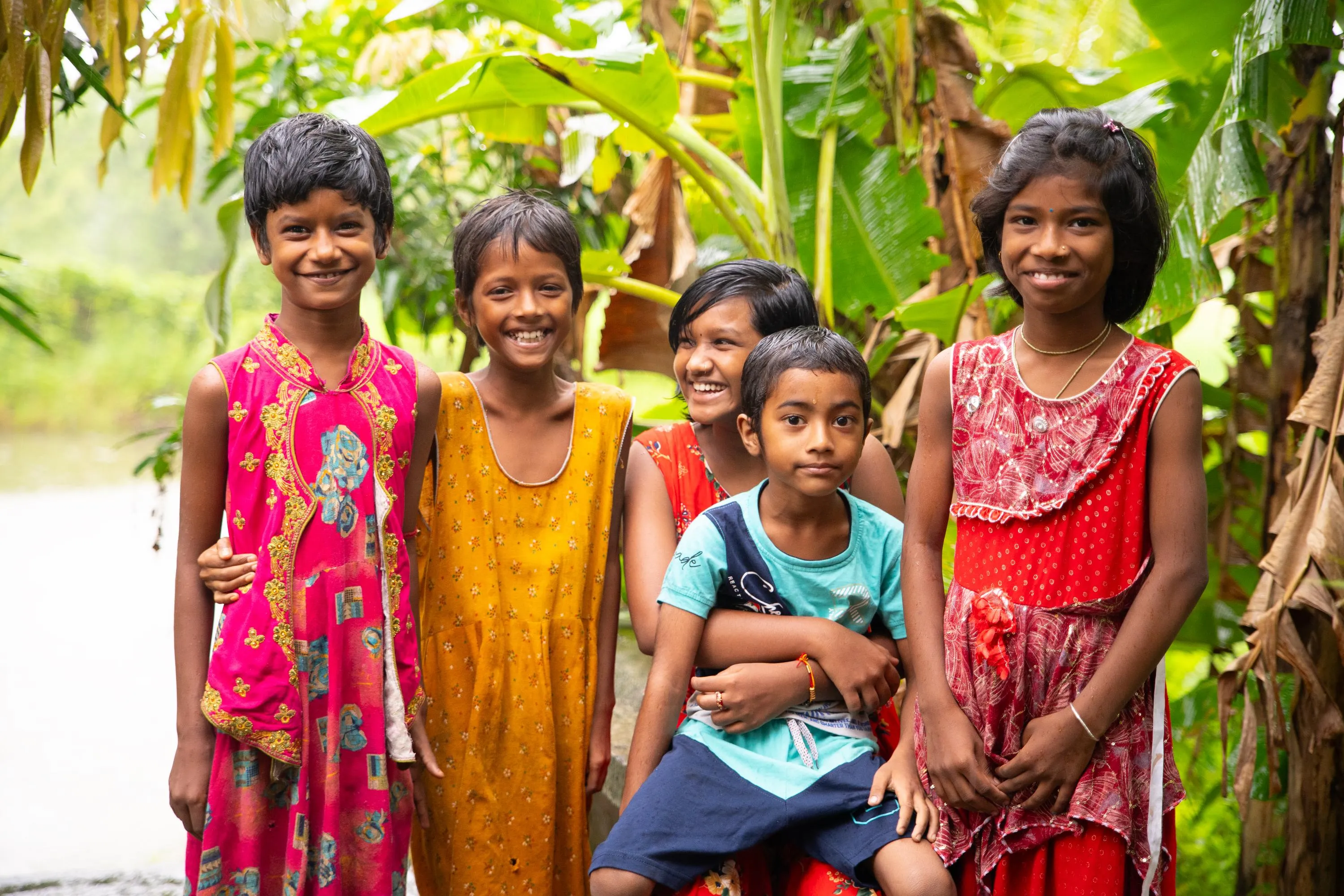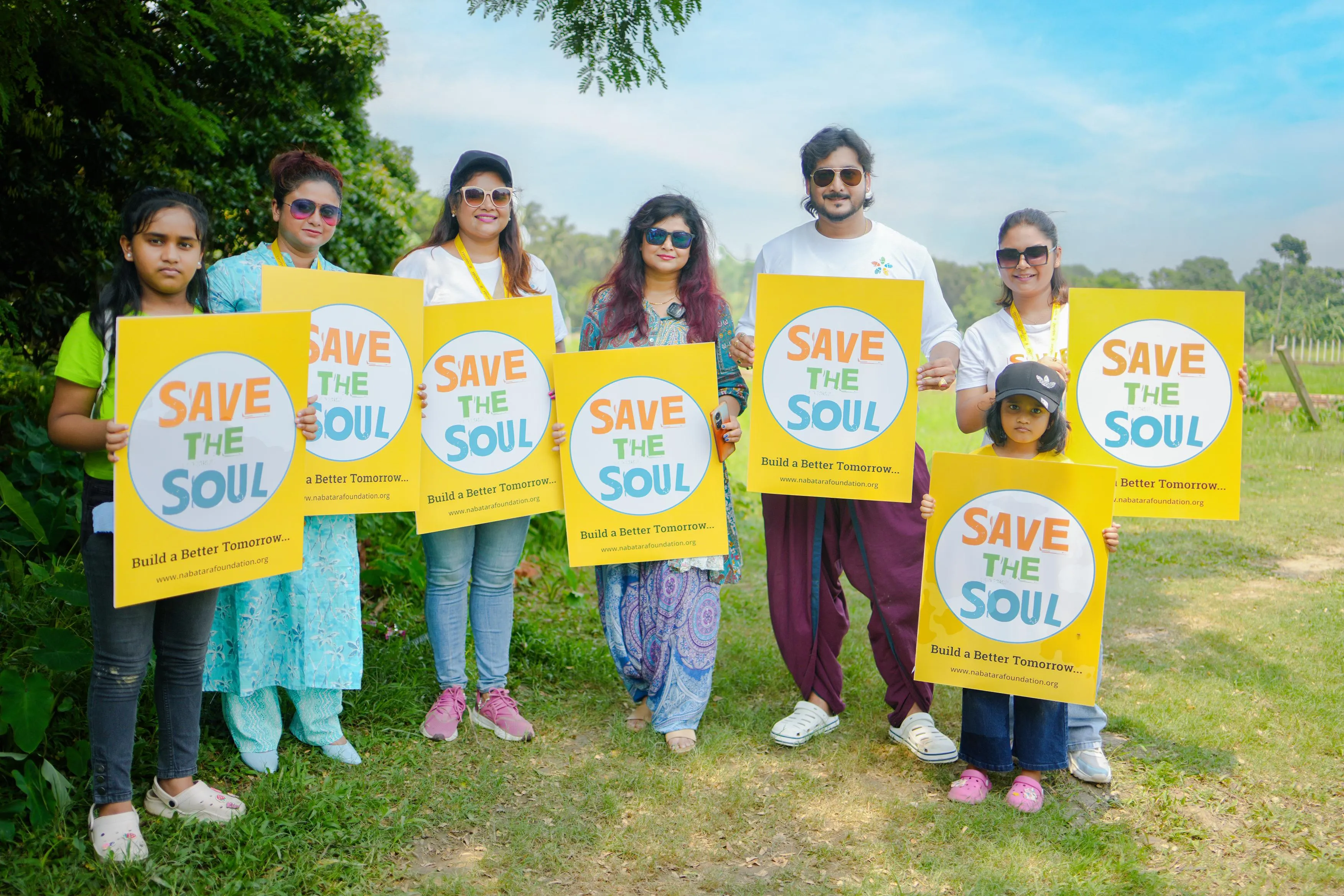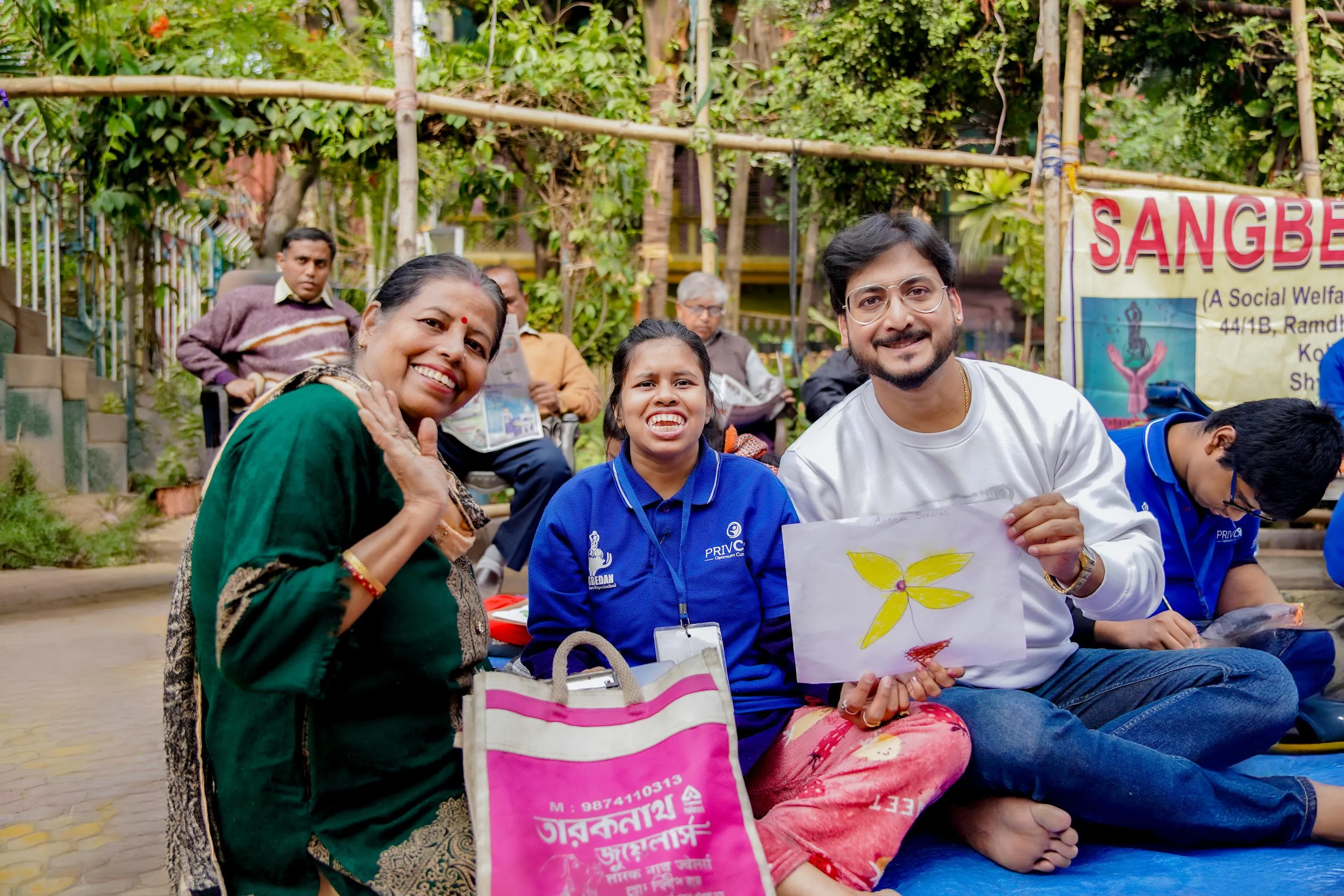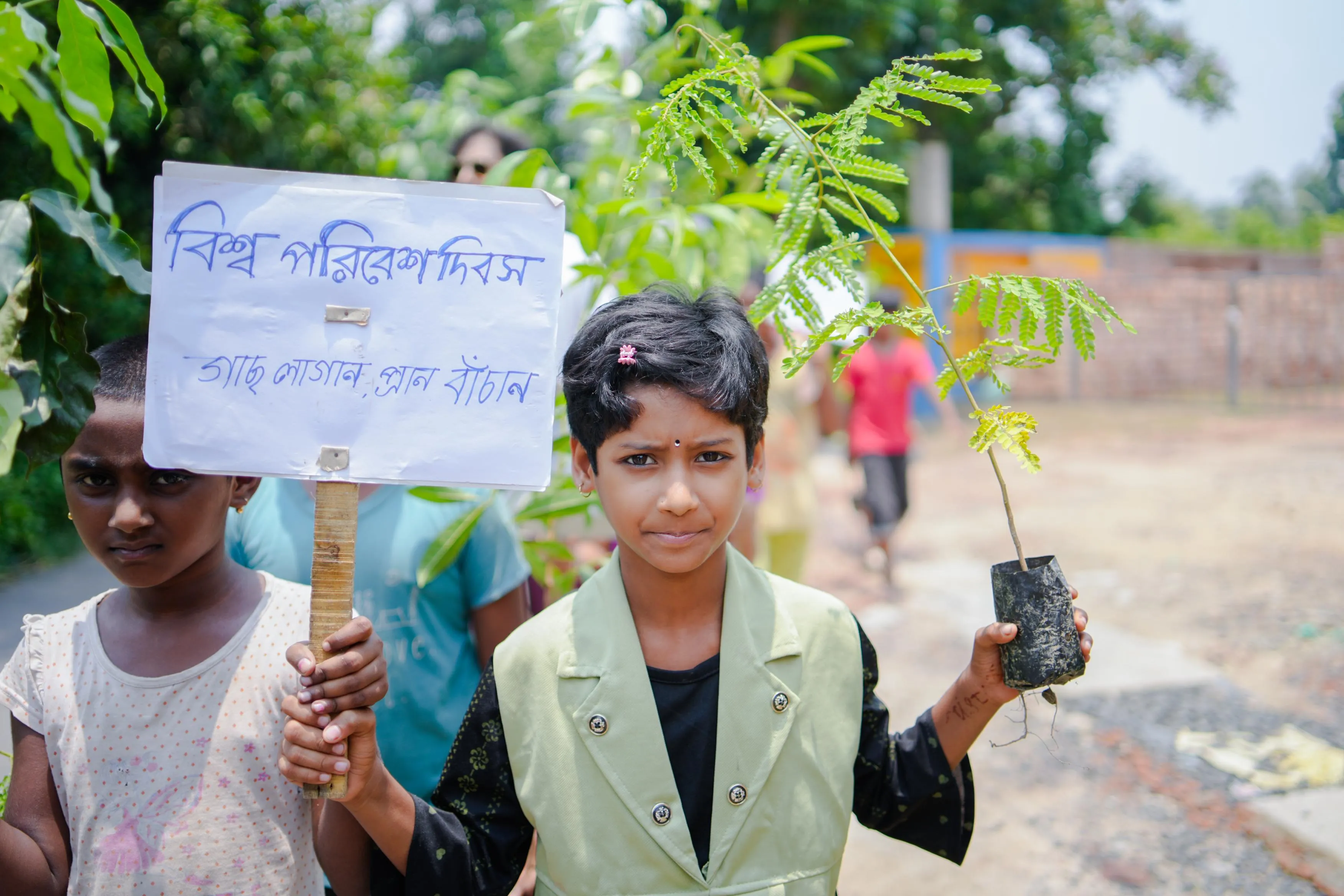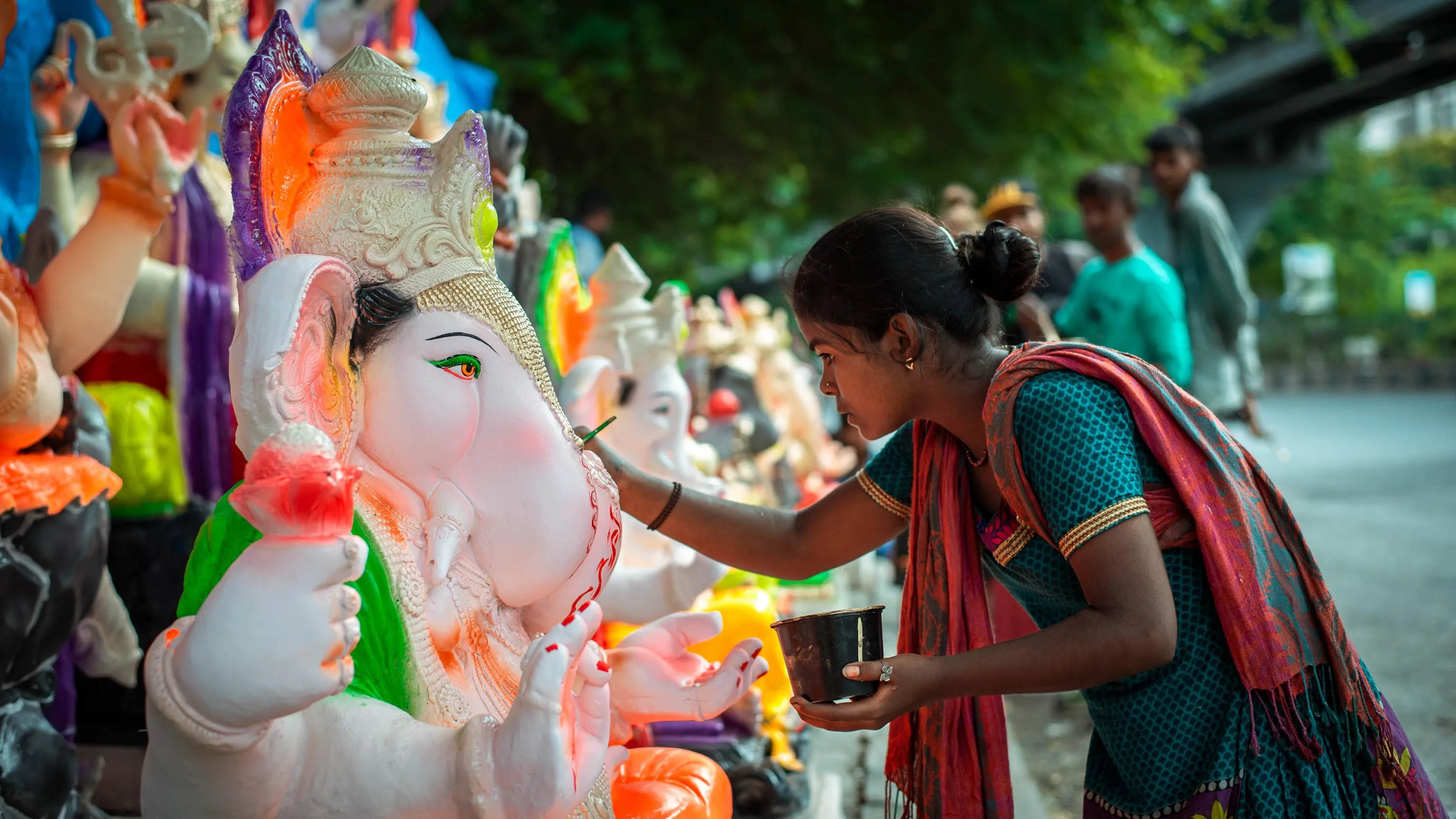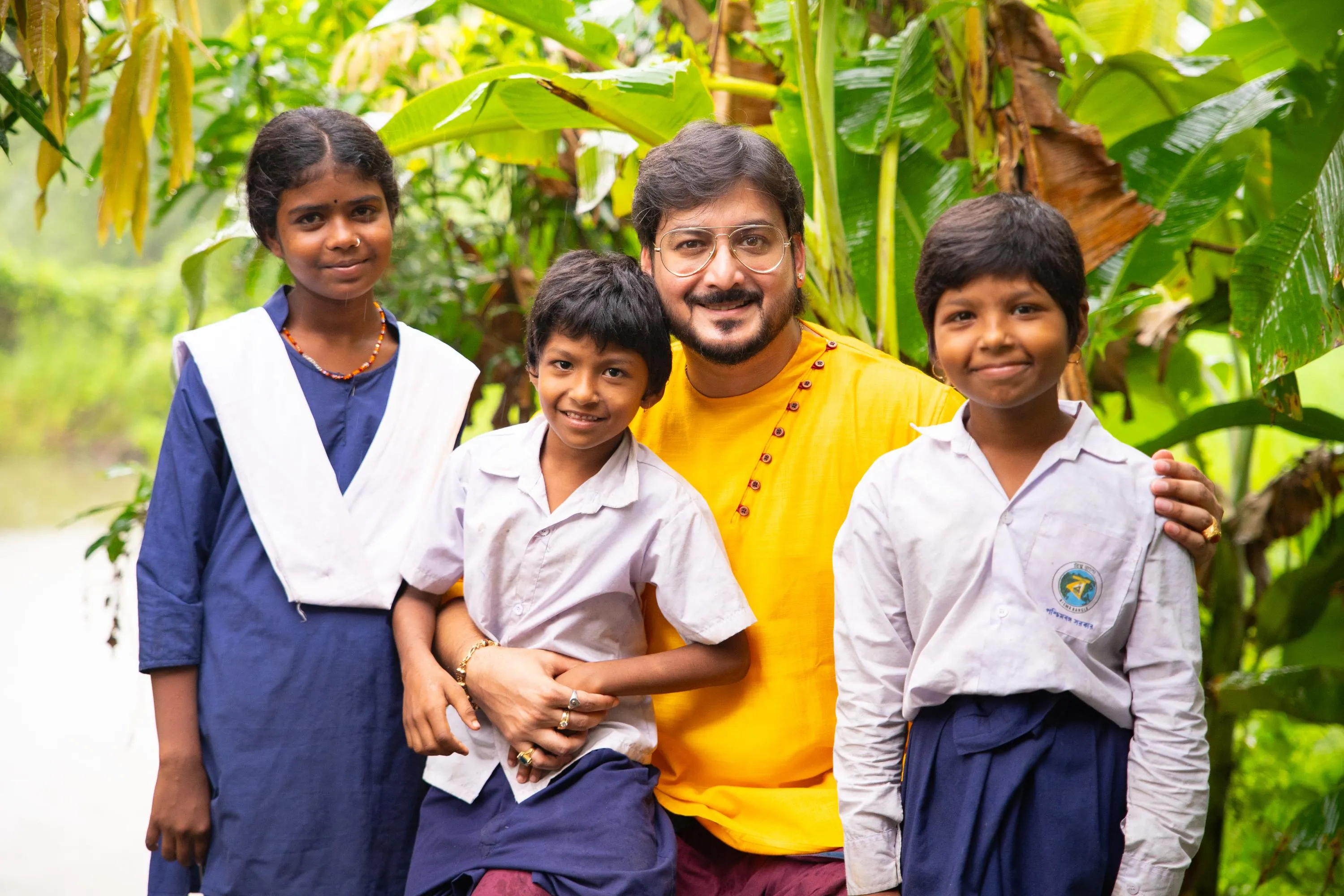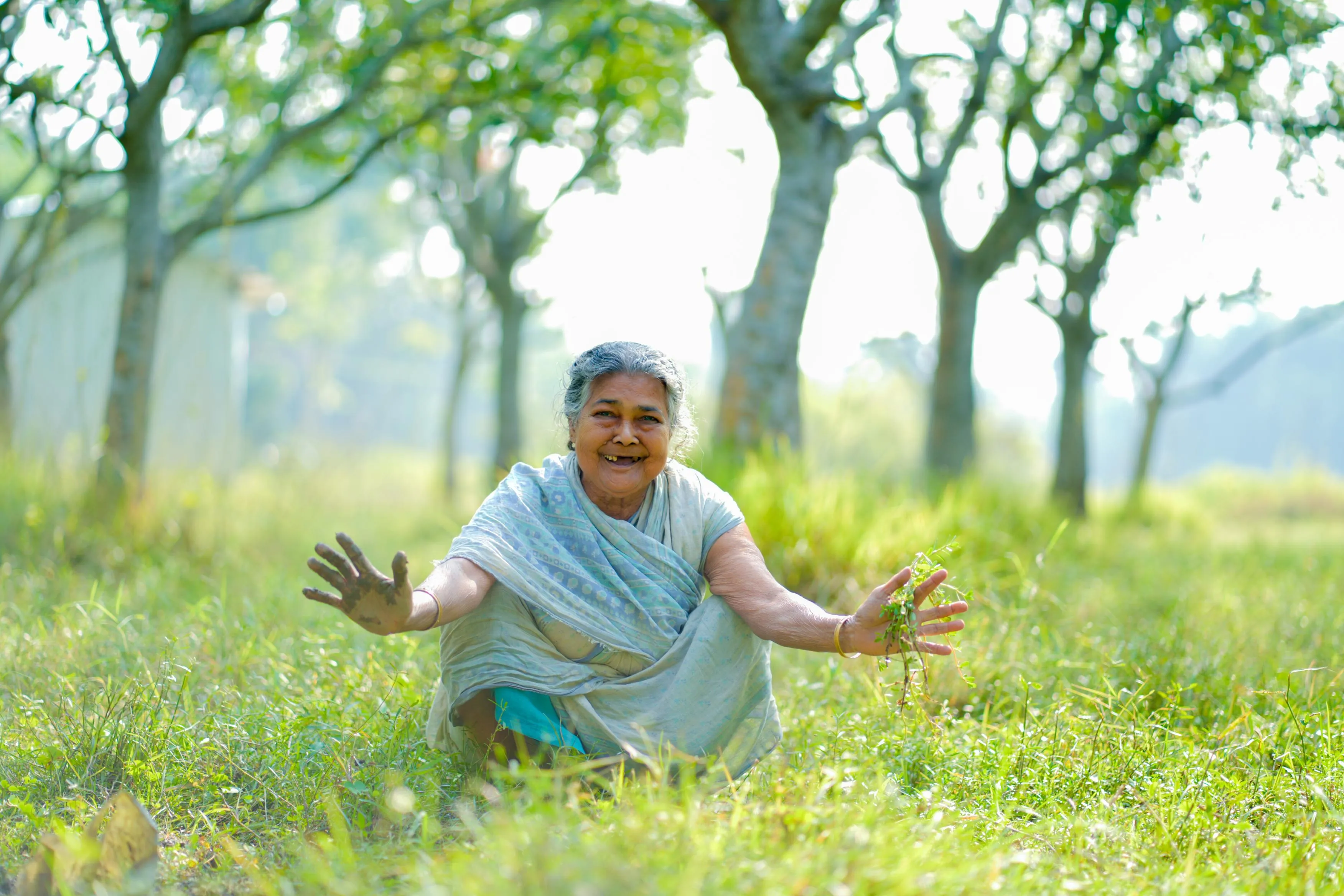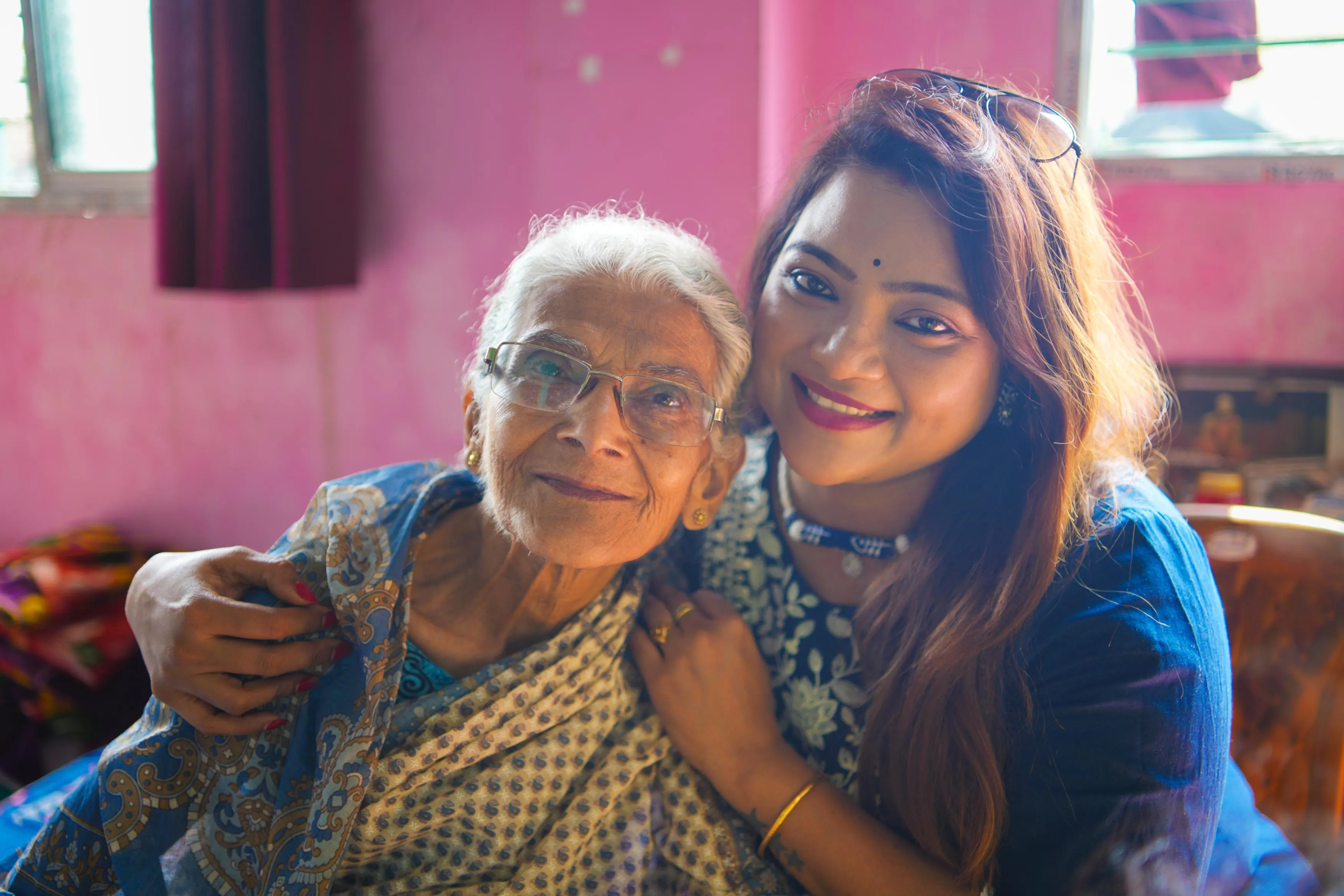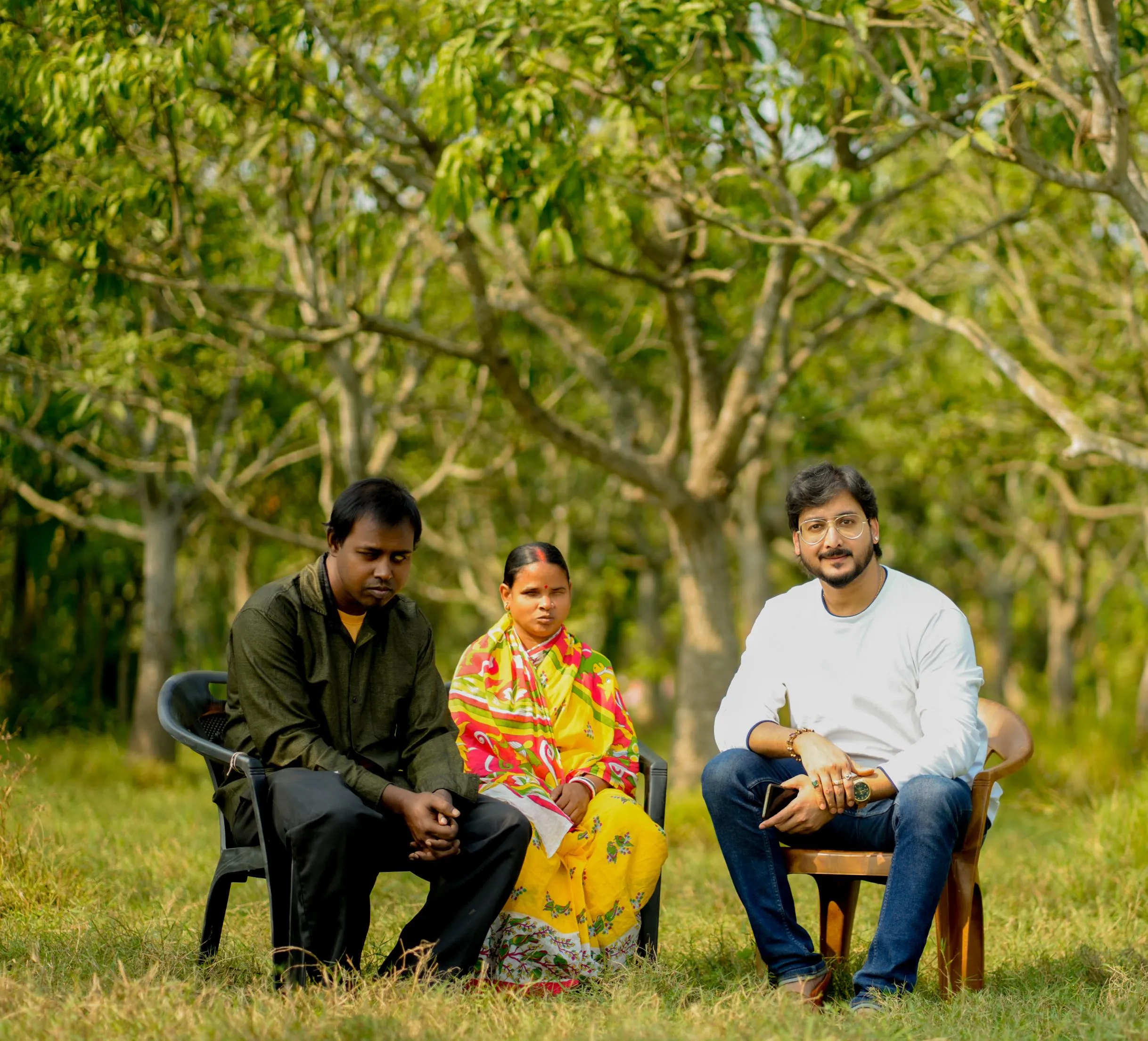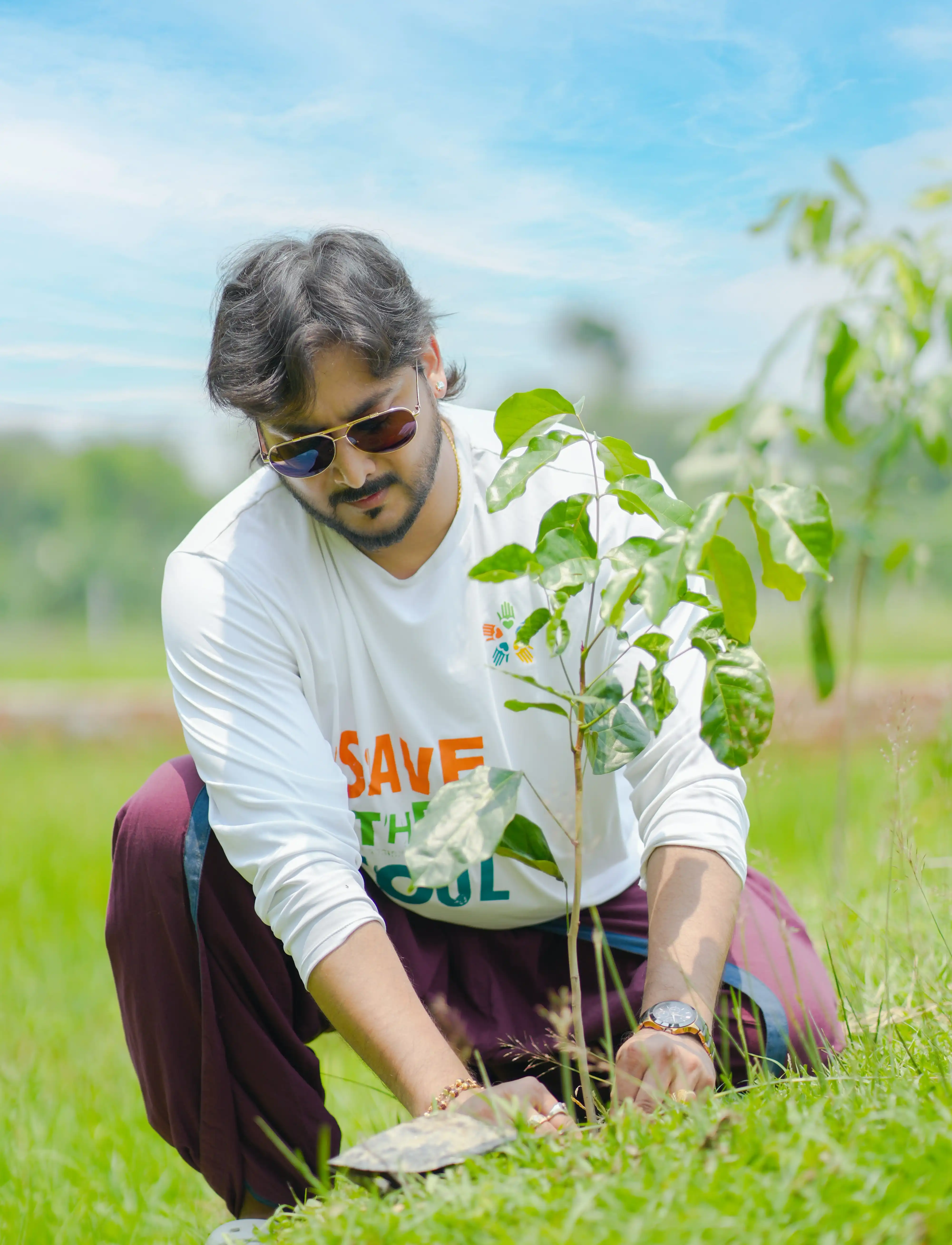


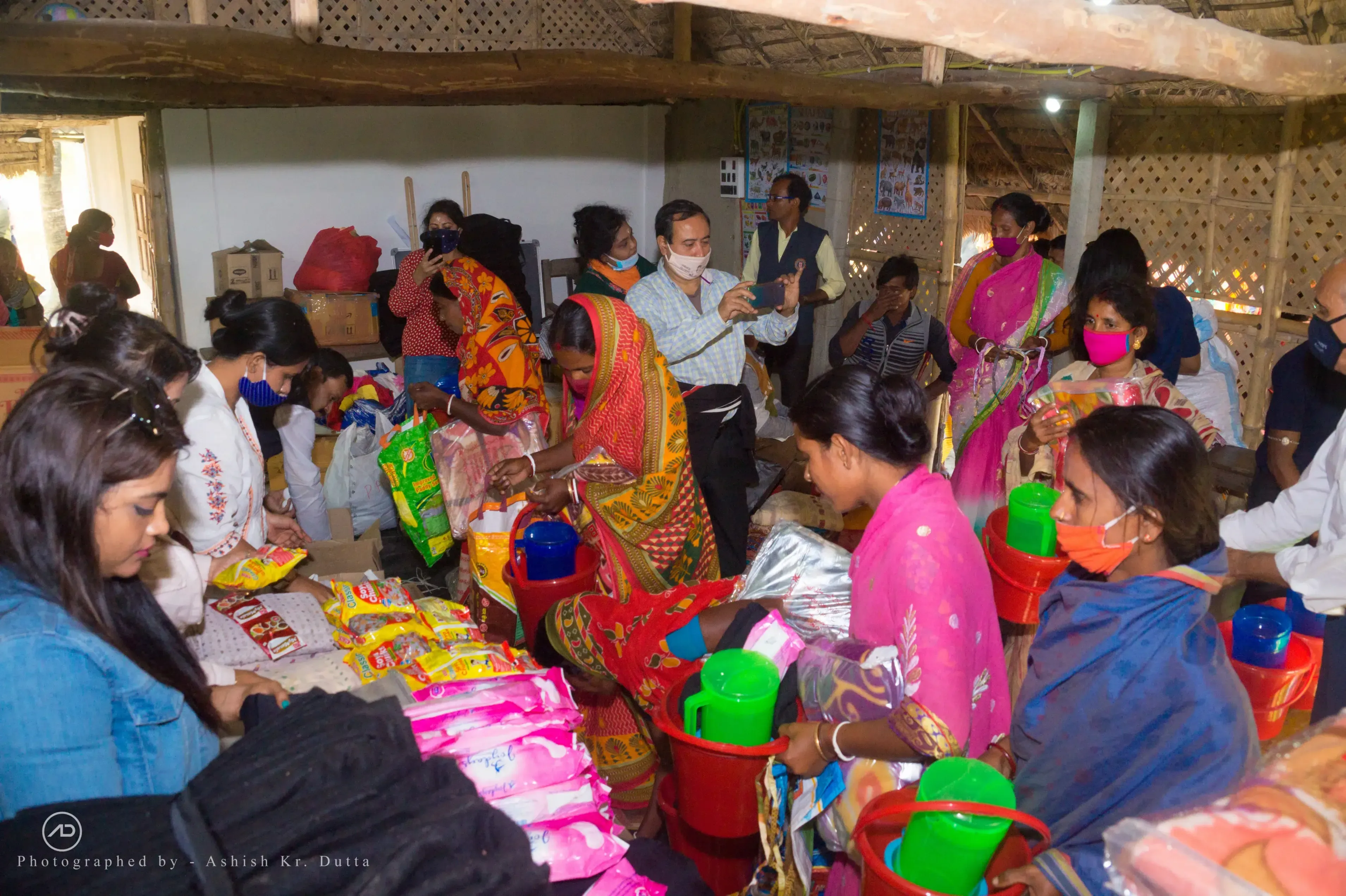
Through its women empowerment project, Nabatara Foundation—Save The Soul, founded by Gaurav Tribedi, stood beside Shefali at a crucial moment in her life. What began as livelihood support through a paper plate-making machine gradually became a source of financial independence, dignity, and hope. With determination and perseverance, Shefali transformed an opportunity into a sustainable livelihood, and in doing so, inspired other women in her village to believe in their own abilities.
Her journey reminds us that lasting social transformation is rarely created through one-time assistance. It grows through trust, practical support, skill development, and communities working together. Today, Shefali's story reflects the spirit of self-reliance, shared progress, and compassionate action that defines the mission of Nabatara Foundation, encouraging more individuals, volunteers, and supporters to become part of a future where every woman has the opportunity to build a life of dignity and purpose.
The Human Reality
When Opportunity Finally Knocks
Across many rural communities in India, the dream of financial independence often remains distant for countless women who possess remarkable determination but lack access to resources. The story of Shefali Mondal reflects this reality with honesty and hope. Through the women empowerment project of Nabatara Foundation—Save The Soul, founded by Gaurav Tribedi, a simple livelihood opportunity became the beginning of a journey that would influence not only one woman but many others around her.
For international readers, India's social philosophy has long embraced the idea of Antyodaya, meaning the upliftment of the last person in society. It also values Seva, the practice of selfless service; Dharma, our shared responsibility toward one another; and Kalyan, the collective well-being of communities. These principles are not merely cultural ideals; they are reflected in practical acts of compassion that enable individuals to build lives of dignity rather than dependence. The journey of Shefali demonstrates how these values can be translated into meaningful action through thoughtful community initiatives.
A Village Filled with Determination but Limited Opportunities
Like many women living in rural India, Shefali carried multiple responsibilities every day. Household work began before sunrise and often continued late into the evening. Caring for family members, preparing meals, managing household expenses, and supporting the emotional well-being of loved ones formed part of her daily routine. Despite working tirelessly, opportunities to earn a stable income remained limited.
This challenge is shared by many rural women whose skills and willingness to work are abundant, yet whose access to employment is restricted by geography, limited infrastructure, social expectations, and the absence of affordable livelihood opportunities close to home. Small villages frequently have few formal employment options, making it difficult for women to contribute financially without leaving their communities or compromising family responsibilities.
The lack of income is rarely just an economic issue. It gradually influences confidence, decision-making, educational opportunities for children, healthcare access, nutrition, and overall family stability. Many capable women begin believing that their aspirations must always remain secondary to immediate survival.
The Invisible Barriers Women Continue to Face
Financial hardship often receives the most attention, but invisible barriers can be equally challenging. Women may possess remarkable creativity, discipline, and resilience while lacking the tools needed to convert these qualities into sustainable livelihoods. Access to equipment, basic training, market connections, and ongoing encouragement frequently determines whether a small idea grows into a dependable source of income.
For many rural women, confidence is shaped by experience. When opportunities are repeatedly unavailable, self-belief slowly fades. They begin questioning whether they can truly become entrepreneurs, support their families financially, or guide others. These emotional barriers often remain hidden behind daily responsibilities, making them difficult for outsiders to recognize.
Shefali understood these realities firsthand. Like many women around her, she did not seek charity. She sought an opportunity to work, contribute, and create a more secure future through her own efforts. Her aspirations reflected a quiet determination shared by countless women across India who simply need the right support to demonstrate their abilities.
Recognizing Potential Instead of Limitations
The philosophy guiding Nabatara Foundation has always emphasized identifying potential rather than focusing solely on hardship. Every individual possesses strengths that can flourish when supported with practical resources and compassionate guidance. This perspective shaped the interaction between the organization and Shefali.
Instead of viewing her as someone defined by financial challenges, the Foundation recognized her willingness to learn, her commitment to hard work, and her desire to build a sustainable livelihood. Such an approach reflects the belief that lasting empowerment begins by trusting people with responsibility rather than creating long-term dependence.
Guided by the humanitarian vision of Gaurav Tribedi, Nabatara Foundation continues to encourage programs that strengthen dignity through opportunity. This philosophy is especially important within the women empowerment project, where every initiative aims to support women in becoming active contributors to their families and communities.
A Small Machine That Represented Much More
Through the Women Empowerment Project, Shefali received a paper plate-making machine designed to help her establish an independent source of income. At first glance, the equipment appeared simple. Yet its significance extended far beyond its physical form.
For Shefali, it represented trust. It reflected the confidence that someone believed she possessed the determination to build something meaningful through honest work. Rather than offering temporary financial assistance, the initiative created an opportunity for sustained income generation rooted in her own effort and commitment.
Learning to operate the machine required patience, practice, and persistence. Like any new skill, there were moments of uncertainty. Every product created became part of a learning process, gradually improving quality, efficiency, and confidence. Progress did not happen overnight, but each step reinforced the belief that consistent effort could create lasting change.
Income Brought Confidence Alongside Stability
As production gradually increased, Shefali began earning through her work. The income supported household needs, but its impact extended much further. Financial independence brought renewed confidence in everyday decision-making. Contributing to family expenses strengthened her voice within the household and reinforced her belief that her work carried real value.
The ability to earn through dignified work also influenced future aspirations. Instead of focusing only on immediate survival, Shefali could begin thinking about growth, stability, and opportunities for the years ahead. Her success demonstrated that rural entrepreneurship is achievable when practical support is combined with determination and consistent effort.
Stories like hers remind us that livelihood support creates ripple effects reaching education, nutrition, healthcare, confidence, and community participation. A sustainable income becomes the foundation upon which families begin planning for brighter futures.
When One Woman Begins to Inspire Many
Perhaps the most meaningful chapter of Shefali's journey emerged after she established herself. Rather than viewing her success as something to protect only for herself, she began encouraging other women within her village to learn the same skills. Her experience became proof that meaningful opportunities were possible even within rural communities.
Women who once hesitated began asking questions, observing the process, and expressing interest in learning. Informal conversations gradually became opportunities for mentorship. Skills were shared, confidence grew, and the idea of collective progress started taking root.
This transition from beneficiary to mentor reflects one of the strongest indicators of sustainable social development. Real empowerment multiplies. It encourages individuals who have overcome challenges to guide others toward similar opportunities. Communities become stronger not because one person succeeds alone, but because success becomes something that is shared.
A Story Still Being Written
Shefali Mondal's journey continues to evolve with each woman she encourages, each family that gains hope through sustainable livelihoods, and each supporter who chooses to believe in the power of opportunity. Her experience reflects the values that guide Nabatara Foundation every day—compassion combined with practical action, dignity supported through livelihood creation, and community development strengthened by participation rather than dependency.
The road ahead will undoubtedly bring new challenges, new learning experiences, and new opportunities. Yet Shefali's story already demonstrates an important truth: when women receive the tools, trust, and encouragement to build independent livelihoods, they often become the very people who inspire others to follow the same path. Their success extends beyond individual achievement, contributing to stronger families, more resilient villages, and communities where hope grows through shared effort.
In the next chapter of this journey, we explore the wider social realities that shape women's livelihoods in rural India and how community-driven initiatives help transform individual determination into collective progress.
The Pillars of Change
Creating Opportunities That Grow Beyond One Individual
Every meaningful transformation begins by understanding that poverty is rarely caused by a lack of willingness to work. More often, it is the result of limited opportunities, unequal access to resources, and circumstances that make progress difficult despite immense determination. Shefali Mondal's journey illustrates this reality with remarkable clarity. Her success was not built on extraordinary luck but on receiving the right support at the right time and choosing to make the most of it through dedication and perseverance.
For many rural women across India, employment options remain limited by factors that extend well beyond individual capability. Educational interruptions, household responsibilities, restricted mobility, inadequate access to financial resources, and limited exposure to entrepreneurial opportunities create barriers that can persist for generations. These challenges affect families as a whole, influencing children's education, healthcare, nutrition, and future aspirations.
The Women Empowerment Project of Nabatara Foundation—Save The Soul seeks to address these realities by investing in people's abilities rather than simply responding to immediate needs. Guided by the humanitarian vision of Gaurav Tribedi, the Foundation believes that sustainable change begins when communities are equipped with practical tools, relevant skills, and continuous encouragement. Shefali's experience reflects how thoughtful livelihood support can create benefits that extend far beyond a single household.
Understanding the Root Causes of Economic Exclusion
Rural women often contribute significantly to agriculture, family businesses, household management, and caregiving, yet much of this work remains unpaid or undervalued. Although their efforts sustain families and local economies, opportunities to earn independent income are frequently scarce. This economic imbalance can limit financial decision-making and reduce confidence, even among highly capable women.
In many villages, employment opportunities may require long-distance travel or working environments that are difficult to balance with family responsibilities. For mothers and caregivers, leaving home for extended periods may not be practical. As a result, many women are forced to choose between supporting their families at home and pursuing financial independence.
Livelihood initiatives that can be managed within or near the community help bridge this gap. They allow women to contribute economically while remaining connected to their families and local support networks. Such opportunities recognize that empowerment is not about asking women to abandon their responsibilities but about creating pathways that fit their realities.
From Livelihood Support to Lasting Confidence
The paper plate-making machine provided to Shefali represented much more than equipment. It became the foundation for confidence that grew through consistent effort. Every successful order, every satisfied customer, and every day of productive work reinforced her belief that she could shape her own future.
Confidence often develops through action rather than words alone. When individuals experience the results of their own hard work, they begin to see themselves differently. They become more willing to explore new opportunities, solve problems creatively, and encourage others who may still hesitate to take the first step.
This gradual growth in confidence is one of the most valuable outcomes of livelihood programs. Financial earnings improve daily life, but renewed self-belief often influences generations by inspiring children, strengthening families, and encouraging broader participation within the community.
Communities Become Stronger Through Shared Progress
One of the defining characteristics of Shefali's journey is that she chose not to keep her knowledge to herself. As she gained experience, she began introducing other women in her village to the possibilities of paper plate production. Informal conversations became opportunities to share practical knowledge, answer questions, and encourage participation.
This spirit of collaboration reflects an important principle of community development: progress becomes sustainable when people support one another rather than compete for limited opportunities. Women who gain confidence often become mentors, demonstrating through their own experiences that change is possible.
Such peer learning creates local leadership that continues long after the initial support has been provided. Communities begin building their own networks of encouragement, making development more resilient and less dependent on external assistance.
The Importance of Skill Development
Access to equipment alone cannot guarantee long-term success. Sustainable livelihoods also depend upon practical skills, continuous learning, quality standards, financial discipline, and problem-solving abilities. Skill development therefore remains an essential pillar of meaningful empowerment.
Every entrepreneur begins with a learning curve. Understanding production processes, maintaining consistency, managing resources efficiently, and responding to customer expectations require patience and persistence. Women like Shefali demonstrate that when learning opportunities are combined with determination, small enterprises can steadily become reliable sources of income.
Skill development also strengthens resilience. Individuals who continue learning are better prepared to adapt to changing market conditions, improve product quality, and identify additional opportunities for growth. This mindset supports long-term sustainability rather than short-term success.
Strengthening Families Through Women's Economic Participation
When women contribute financially, the positive effects often extend throughout the household. Additional income may support children's education, improve access to nutritious food, assist with healthcare expenses, and reduce financial stress during unexpected challenges. These practical improvements strengthen family stability while creating greater opportunities for future generations.
Economic participation also encourages shared decision-making within families. Women who earn through their own efforts often gain greater confidence in planning household finances, discussing long-term goals, and participating in decisions that affect family well-being. Such changes strengthen mutual respect and encourage more balanced partnerships within households.
Shefali's experience illustrates how livelihood support can influence not only financial security but also personal confidence, family relationships, and community engagement. Her journey demonstrates that empowering women benefits everyone connected to them.
Building Inclusive Development at the Grassroots
Inclusive development recognizes that every member of society should have access to opportunities regardless of gender, economic background, or social circumstances. This principle guides many community-based initiatives undertaken by the Nabatara Foundation, where programs are designed to strengthen local capacities rather than create dependency.
Women empowerment is closely connected with education, healthcare, nutrition, environmental awareness, disability inclusion, and community participation. Sustainable progress occurs when these areas support one another instead of operating in isolation.
For example, a woman earning a stable income may be better positioned to ensure her children remain in school, access timely medical care, and participate in community activities. These interconnected improvements gradually contribute to healthier and more resilient villages.
Learning from Integrated Community Programmes
Every community has unique needs, and meaningful development often requires multiple forms of support working together. Livelihood programs become even more effective when complemented by broader initiatives that strengthen education, health, and social well-being.
Within this broader vision, initiatives such as the Digital Classroom Initiative help expand educational opportunities for children by encouraging digital learning and access to knowledge. Strong educational foundations create future generations that are better prepared to pursue skilled employment and entrepreneurship.
Women's skill-building centers provide environments where practical learning, peer support, and confidence-building can take place together. Such centers encourage continuous improvement while creating spaces where women learn not only technical skills but also leadership and collaboration.
Healthcare outreach programs recognize that good health is essential for sustainable livelihoods. Preventive healthcare, awareness campaigns, and medical support help individuals remain productive while reducing the long-term impact of untreated illnesses.
During times of crisis, disaster relief initiatives provide immediate assistance while also helping communities rebuild with dignity. Recovery becomes stronger when humanitarian support is combined with long-term rehabilitation and livelihood restoration.
A dedicated volunteer network strengthens every program by connecting compassionate individuals with communities where their time, knowledge, and commitment can make meaningful contributions. Volunteers often become bridges between supporters and beneficiaries, encouraging mutual understanding and lasting relationships.
Community nutrition initiatives contribute to healthier families by promoting balanced diets, awareness, and improved access to nutritional support wherever possible. Healthy families are better positioned to participate in education, employment, and community development.
Livelihood support programs, including the assistance provided to Shefali, create opportunities for individuals to generate sustainable income through their own efforts. When combined with training and mentorship, these initiatives encourage independence while strengthening local economies.
Trust Built Through Participation
Successful community development depends upon trust. People are more likely to embrace new opportunities when they feel respected, heard, and actively involved in shaping their own future. Listening to local experiences, understanding community priorities, and encouraging participation create stronger outcomes than one-size-fits-all solutions.
This participatory approach also strengthens accountability. Community members become partners in development rather than passive recipients of assistance. They contribute ideas, identify challenges, celebrate achievements, and help ensure that programs remain relevant to changing needs.
Shefali's journey reflects this collaborative spirit. Her willingness to involve other women transformed individual success into shared progress, demonstrating that lasting impact grows strongest when communities actively support one another.
A Trusted Partner in Community Development
As a trusted NGO in Kolkata working across diverse humanitarian initiatives, Nabatara Foundation—Save The Soul continues to encourage practical solutions that strengthen dignity, opportunity, and self-reliance. Under the guidance of Gaurav Tribedi, the Foundation believes that sustainable development is achieved not through temporary assistance alone but through long-term relationships built on compassion, responsibility, and mutual respect.
Every livelihood opportunity represents an investment in human potential. Every woman who gains confidence contributes to stronger families. Every family that becomes more resilient strengthens the wider community. This ripple effect is at the heart of sustainable development and demonstrates why empowering one individual can ultimately benefit an entire village.
Looking Beyond Immediate Success
While Shefali's achievements deserve celebration, her story also reminds us that countless women continue to wait for similar opportunities. Many possess the same determination, creativity, and willingness to work but remain limited by circumstances beyond their control. Expanding access to livelihood equipment, practical training, and community mentorship can help many more women begin similar journeys toward financial independence.
The next chapter explores why meaningful transformation extends beyond charitable assistance and how sustainable empowerment creates stronger communities capable of shaping their own future with confidence, resilience, and shared purpose.
Beyond Charity
Building Independence Through Sustainable Livelihoods
The true measure of social support is not only how much immediate relief it provides but also how effectively it helps individuals build a stronger future. For Nabatara Foundation—Save The Soul, empowerment means creating pathways where people can gradually become self-reliant, confident, and capable of contributing to their families and communities.
Shefali Mondal’s journey represents this deeper understanding of humanitarian work. The paper plate-making machine provided through the Women Empowerment Project was not simply a piece of equipment. It was a foundation upon which she could build skills, confidence, income, and independence. The purpose was never limited to helping her overcome one difficult period; it was about supporting her ability to create a sustainable livelihood through her own dedication.
Traditional charity often focuses on fulfilling immediate needs, which can be essential during emergencies. However, long-term community development requires opportunities that allow individuals to participate actively in their own progress. When people are provided with resources, training, and encouragement, they gain the ability to influence their own circumstances and inspire others around them.
The Difference Between Assistance and Empowerment
Assistance provides support during moments of difficulty. Empowerment creates the possibility of lasting change. Both have importance, but sustainable development requires moving beyond temporary solutions toward approaches that strengthen personal capability.
In Shefali’s case, the support she received became meaningful because it connected opportunity with responsibility. The machine gave her a starting point, but her determination, discipline, and willingness to learn transformed that opportunity into a functioning livelihood. Her success reflects an important lesson: tools create possibilities, but people create transformation.
This approach forms the foundation of many initiatives led by the Nabatara Foundation. The organization focuses on understanding the challenges communities face while identifying practical ways to support individuals in developing confidence, skills, and economic stability.
Through the humanitarian vision of Gaurav Tribedi, the foundation continues to promote initiatives where dignity remains at the center of every effort. The goal is not to define people by their struggles but to recognize their abilities and provide opportunities through which those abilities can grow.
Livelihood as a Pathway to Dignity
Employment and income generation are closely connected with dignity. The ability to earn through honest work provides more than financial support; it creates a sense of purpose and belonging. For many individuals, especially women in rural communities, earning independently changes how they view themselves and how others recognize their contributions.
For Shefali, the income generated through her paper plate-making work became a reflection of her own effort. Each product represented hours of dedication and learning. Each customer interaction strengthened her confidence. Each improvement in her work demonstrated that small beginnings can become meaningful achievements when supported with commitment.
Dignity-based development respects people's desire to stand on their own feet. It acknowledges that many individuals facing economic hardship do not seek sympathy; they seek opportunities that allow them to demonstrate their capabilities.
Creating Financial Independence for Women
Financial independence is one of the strongest foundations of women empowerment. When women have access to income-generating opportunities, they often gain greater confidence in making decisions, supporting their families, and planning for the future.
For rural women, even a small enterprise can create significant changes. Additional income may contribute toward children's education, household stability, healthcare needs, and emergency preparedness. More importantly, it can challenge traditional perceptions by demonstrating that women are capable contributors to economic growth.
Shefali’s journey highlights this transformation. Her work allowed her to become financially self-reliant while also becoming a source of inspiration for other women. Her experience showed that entrepreneurship does not always begin with large investments or extensive resources. Sometimes it begins with a single opportunity and the courage to pursue it.
Skill Development Creates Long-Term Possibilities
A sustainable livelihood depends on continuous learning. Equipment may provide a starting point, but knowledge, adaptability, and skill development determine long-term success. This is why skill-based initiatives play a crucial role in community development.
Women who receive opportunities to learn practical skills gain more than technical knowledge. They develop problem-solving abilities, confidence, communication skills, and the mindset needed to manage small enterprises successfully.
In Shefali’s experience, learning how to operate the paper plate-making machine was only the beginning. Over time, she gained experience in managing production, maintaining quality, understanding demand, and sharing knowledge with others. This journey reflects how skill development can transform a simple activity into a sustainable source of income.
Encouraging Inclusive Employment Opportunities
Inclusive development means ensuring that opportunities are accessible to people who have historically faced barriers. Women, individuals with disabilities, economically weaker families, and rural communities often possess valuable abilities but require supportive environments to express their potential.
Creating inclusive employment opportunities benefits society as a whole. When more individuals participate in economic activities, communities become stronger, local markets become more active, and families gain greater resilience against financial challenges.
Nabatara Foundation believes that every person deserves the chance to contribute meaningfully. Programs focused on livelihood support aim to create environments where individuals are encouraged to develop their strengths and participate with confidence.
Community Ownership: When Beneficiaries Become Changemakers
One of the most powerful aspects of Shefali’s story is her decision to support other women after receiving support herself. This represents a shift from being a participant in a program to becoming an active contributor within the community.
Community ownership is essential for lasting development. When people who experience transformation begin helping others, knowledge spreads naturally. Local solutions become stronger because they are guided by individuals who understand the realities of their communities.
Shefali’s willingness to teach and encourage other women demonstrates how empowerment creates a cycle of positive change. One opportunity can influence multiple lives when the person receiving support chooses to share their learning and experience.
Supporting Mental Well-Being Through Purpose and Confidence
Economic challenges often affect emotional well-being. Continuous financial uncertainty can create stress, anxiety, and feelings of helplessness. While income generation addresses practical needs, the confidence gained through meaningful work can also support emotional strength.
For many women, becoming financially active brings a renewed sense of identity. They begin recognizing their abilities, setting personal goals, and participating more actively in family and community decisions.
Shefali’s transformation reflects this emotional journey. Her success was not measured only by earnings but also by the confidence she gained and the inspiration she provided to others. Her story shows that empowerment touches both economic and personal dimensions of life.
Accessibility and Equal Participation
True social transformation requires recognizing that every individual deserves equal participation in society. Accessibility is not limited to physical spaces; it also includes access to education, resources, opportunities, and respectful support systems.
Women empowerment initiatives contribute to this broader vision by reducing barriers that prevent capable individuals from participating fully in economic and social activities. When communities become more inclusive, everyone benefits from the creativity, skills, and experiences of more people.
Nabatara Foundation continues to work toward creating opportunities where individuals are supported according to their needs and encouraged according to their potential.
Environmental Responsibility and Green Livelihood Connections
Sustainable development also requires care for the environment. Communities thrive when economic progress and environmental responsibility move together. Livelihood programs can create stronger futures when they encourage responsible practices and awareness about protecting natural resources.
Environmental initiatives such as tree plantation campaigns and community awareness efforts reflect the importance of balancing human development with ecological responsibility. Green livelihoods can create opportunities while protecting the surroundings that communities depend upon.
This connection between social welfare and environmental care represents a broader understanding of sustainability. A truly empowered community is one that can support its people while preserving resources for future generations.
The journey of Shefali Mondal reminds us that meaningful change is created through consistent efforts, compassionate partnerships, and opportunities that allow individuals to shape their own future. Her story is not only about one woman creating a livelihood; it is about how empowerment spreads when communities are supported with trust and respect.
Through livelihood support, skill development, community participation, and inclusive initiatives, Nabatara Foundation continues to work toward a society where more individuals can move from uncertainty toward stability and confidence.
Beyond charity lies a deeper purpose: helping people discover their own strength. When individuals are given the opportunity to build, learn, and contribute, they become active participants in creating stronger communities.
Shefali’s journey represents this vision—a reminder that every woman with determination deserves the chance to transform her abilities into opportunity, and every opportunity has the potential to inspire many more lives.
Walking with the Vision
A Humanitarian Vision Rooted in Compassion and Responsibility
Behind every meaningful social initiative is a vision that transforms compassion into organized action. For the Nabatara Foundation—Save The Soul, that vision comes from the belief that every individual deserves dignity, opportunity, and the chance to build a better future. The journey of Shefali Mondal reflects this philosophy—a reminder that when communities receive the right support, individuals can discover their own strength and become contributors to wider social progress.
The humanitarian approach of Gaurav Tribedi has always focused on connecting compassion with practical solutions. Rather than viewing social challenges only through the lens of hardship, this approach recognizes the abilities, aspirations, and potential that exist within every community. A person facing financial difficulties is not defined by those difficulties; they are someone with skills, dreams, and possibilities waiting for the right opportunity.
This understanding has shaped the way Nabatara Foundation develops its initiatives. Whether supporting women seeking livelihood opportunities, assisting vulnerable communities, promoting healthcare awareness, or encouraging education, the focus remains on creating meaningful impact through respectful engagement and sustainable support.
The Power of Organized Seva
The concept of Seva, or selfless service, has deep roots in Indian philosophy. For international readers, Seva represents the act of serving others without expecting personal gain while recognizing the shared humanity that connects everyone. However, meaningful Seva requires more than good intentions. It requires planning, accountability, understanding, and a commitment to creating lasting benefits.
The Nabatara Foundation follows this principle by combining compassion with structured community programs. The goal is not simply to provide temporary assistance but to understand the challenges faced by individuals and develop approaches that encourage confidence, independence, and participation.
Shefali’s story demonstrates this balance. The support she received was meaningful because it respected her ability to create change through her own efforts. The assistance became a pathway toward self-reliance rather than a substitute for personal growth.
Transforming Compassion into Sustainable Action
Social transformation requires consistency. A single moment of support can create hope, but continued encouragement, resources, and community involvement help that hope become a reality. This understanding guides the work of Nabatara Foundation across its various initiatives.
The Women Empowerment Project represents this commitment by focusing on practical livelihood opportunities. Providing access to income-generating resources enables women to participate more actively in economic activities while strengthening their confidence and decision-making abilities.
Shefali’s experience shows how sustainable support can create a ripple effect. A livelihood opportunity helped her become financially independent, but her willingness to guide other women expanded the impact beyond her own household. Her journey reflects how individual progress can contribute to collective development.
Building Trust Through Transparent Governance
Trust is one of the most important foundations of social service. Communities, supporters, volunteers, and partners need confidence that every initiative is guided by responsibility, ethical practices, and genuine commitment.
As a government-registered NGO, Nabatara Foundation operates with the responsibility of maintaining transparency, accountability, and purposeful use of resources. The organization believes that trust is built through consistent action, respectful relationships, and dedication toward the communities it serves.
Transparency is not only about reporting activities; it is also about listening to communities, understanding their needs, and ensuring that programs remain connected to real-world challenges. Sustainable development grows stronger when organizations and communities work together with mutual respect.
The Role of Volunteers in Creating Change
Social transformation is never created by one person or one organization alone. Volunteers play an essential role by bringing their time, skills, compassion, and energy into community initiatives. They help build connections between people who want to contribute and communities seeking opportunities for growth.
Nabatara Foundation values volunteer participation as an important part of its mission. Volunteers contribute in different ways—from supporting awareness activities and community programs to sharing professional skills that strengthen initiatives.
The volunteer culture reflects a simple belief: everyone has something meaningful to contribute. Some people contribute resources, some contribute expertise, and others contribute time and encouragement. Together, these contributions create a stronger foundation for social progress.
Spiritual Values Inspiring Social Responsibility
The work of the Nabatara Foundation is deeply connected with values of compassion, humanity, and service. The belief that helping others is a shared responsibility guides every initiative undertaken by the organization.
For Gaurav Tribedi, spirituality and social responsibility are interconnected. True spiritual growth is not limited to personal reflection; it also includes compassion toward others and meaningful action that improves lives. This philosophy encourages a form of service where every individual is treated with respect and understanding.
The principle of Dharma, meaning responsibility or righteous duty, reflects this connection. It reminds us that society becomes stronger when individuals recognize their role in supporting one another. Through organized social initiatives, this responsibility becomes a collective effort toward human welfare.
Save The Soul: A Commitment to Human Dignity
The Save The Soul charitable wing represents the compassionate mission of the Nabatara Foundation to reach individuals and communities who need support, encouragement, and opportunities to move forward.
The focus remains on preserving dignity while addressing social challenges. Whether it involves supporting women entrepreneurs, assisting vulnerable individuals, promoting healthcare access, or responding during difficult situations, the intention remains consistent—to create pathways where people can live with greater confidence and security.
Shefali Mondal’s story is an example of this commitment. Her journey demonstrates that social support becomes most meaningful when it helps individuals recognize their own abilities and encourages them to become sources of inspiration for others.
A Future Built Together
The Ripple Effect of One Woman’s Courage
The story of Shefali Mondal is ultimately a story about possibility. It began with a challenge faced by many rural women—the desire to contribute financially while having limited access to opportunities. It continued with a simple but meaningful intervention: providing the tools required to begin a livelihood journey. And it grew into something much larger as Shefali started inspiring other women around her.
This ripple effect represents the true meaning of empowerment. When one person gains confidence, that confidence can influence families, neighbors, and entire communities. A woman who becomes financially independent often becomes a source of encouragement for others who may still be waiting for their first opportunity.
Shefali’s journey reminds us that transformation does not always begin with large-scale changes. Sometimes, it begins with one person receiving the encouragement to believe in themselves.
A Vision for More Sustainable Livelihoods
Across India, many women possess creativity, determination, and the willingness to work hard. However, many continue to face barriers that prevent them from converting their abilities into sustainable income. Supporting livelihood opportunities can help bridge this gap.
Nabatara Foundation believes that every contribution toward livelihood support can become an investment in human potential. Sponsoring equipment, supporting skill development, volunteering expertise, or partnering through community initiatives can help more women explore opportunities similar to Shefali’s journey.
The goal is not simply to create income opportunities but to encourage confidence, independence, and community leadership among women who have the ability to inspire future generations.
A Believable Transformation: From Learner to Inspiration
When Shefali first received support, the focus was simply on helping her begin. Over time, her dedication changed the meaning of that initial opportunity. She moved from learning how to operate a machine to understanding how a small livelihood activity could become a source of stability.
Gradually, other women began approaching her to understand the process. She shared her experiences, explained what she had learned, and encouraged them not to underestimate their own abilities. The same woman who once needed an opportunity became someone who helped others recognize theirs.
This transformation reflects the deeper purpose of community development. Success becomes more powerful when it is shared. Knowledge becomes more valuable when it is passed forward. Hope becomes stronger when communities create it together.
Every contribution creates possibility.
Social change is built through collective participation. Donations provide essential support for programs. Volunteers contribute skills and time. Partners bring resources and collaboration. Awareness helps more people understand the importance of creating inclusive opportunities.
Every contribution, regardless of size, can become part of a larger movement toward dignity and self-reliance. When communities come together with compassion and responsibility, meaningful transformation becomes possible.
Supporting livelihood programs means supporting dreams that are waiting for an opportunity. It means helping individuals build confidence, strengthen families, and create positive examples within their communities.
Join the Journey of Compassion and Transformation
Shefali Mondal’s story is a reminder that empowerment begins when we recognize the potential within every individual. A small opportunity, when combined with determination and support, can create a lasting impact that reaches far beyond one person.
Nabatara Foundation – Save The Soul continues its mission of serving communities through compassion, dignity, and sustainable action. With the support of donors, volunteers, and responsible partners, more individuals can receive opportunities to build independent livelihoods and create brighter futures.
We invite you to become a part of this journey. Your contribution can help provide livelihood equipment, support women empowerment initiatives, encourage skill development, and reach more individuals and families who are working toward a better tomorrow.
Whether through donations, volunteering, partnerships, or simply sharing this mission with others, every action matters. Together, we can help Nabatara Foundation reach more people living with hardship and support them in building lives of dignity, confidence, and self-reliance.
Visit savethesoul.in and join hands with Nabatara Foundation – Save The Soul in creating a future where compassion becomes action and every individual receives the opportunity to grow.